Category: Disaster Recovery

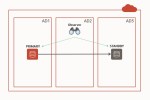
Fast-Start Failover in Data Guard Environments on Oracle Cloud

Introduction Oracle Data Guard and Active Data Guard ensure high availability and disaster recovery during maintenance operations and in case of outages. Recovery Point Objective (RPO) of zero (zero data loss) can be achieved by setting up SYNC or FASTSYNC replication, even at any distance, using Far Sync without compromising performance. Recovery Time Objective (RTO)…

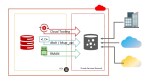
How to measure Network Latency for Oracle Data Guard Replication

Introduction Oracle Data Guard replicates data from the primary to one or multiple standby databases for high availability and disaster recovery. The decision to transfer the redo synchronously or asynchronously depends on your RTO and RPO. Synchronous redo transport provides zero data loss and lower recovery time, but your application needs to wait until the…

How to create a Single Service Name in Data Guard Environments on Oracle Cloud

Introduction Oracle Data Guard provides high availability and disaster recovery by replicating data from the primary to standby databases. In case of an outage on the primary site or for maintenance operation, a standby database becomes a primary and continues serving application requests. This role switch should be transparent for applications, not requiring any changes…

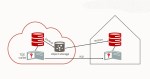
Do I need the Advanced Security Option on-premises for Hybrid Cloud Disaster Recovery?

In the case of hybrid disaster recovery and having an unencrypted database on-premises, you can create the corresponding unencrypted standby database in the cloud using RMAN DUPLICATE or RESTORE from Object Storage. When you create a new unencrypted tablespace on the on-premises primary database, the standby database in the cloud creates the corresponding unencrypted tablespace via redo. So everything is fine and you…